Vacuum Technology Contributing to Every Industry

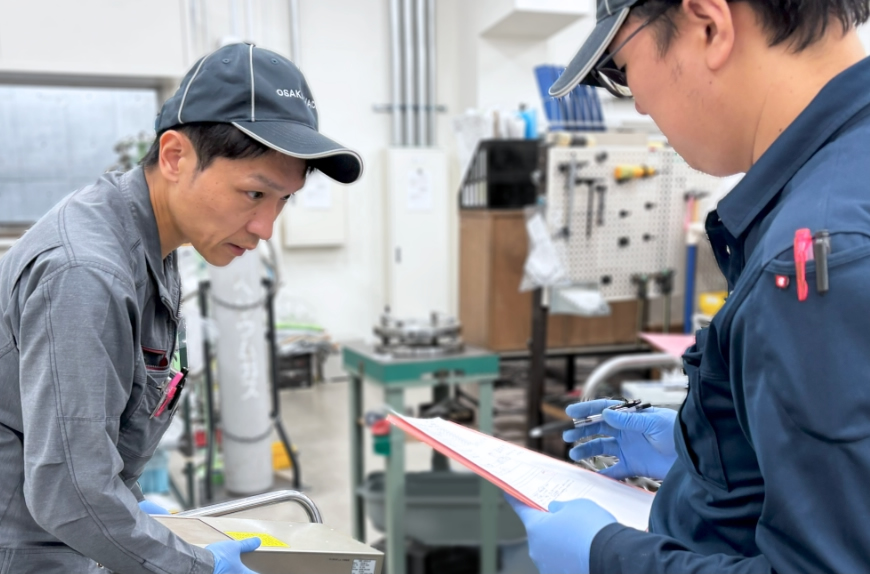
Osaka Vacuum is a manufacturer specializing in vacuum technology and supporting a wide range of industries, including semiconductors, electronics, the medical field, and aerospace.
For over 75 years, we have consistently provided high-quality vacuum pumps, from design and manufacturing to after-sales support.

Our world’s first innovations will continue to lead the future of vacuum technology.

About Us

Our Strengths

Over 75 Years of History

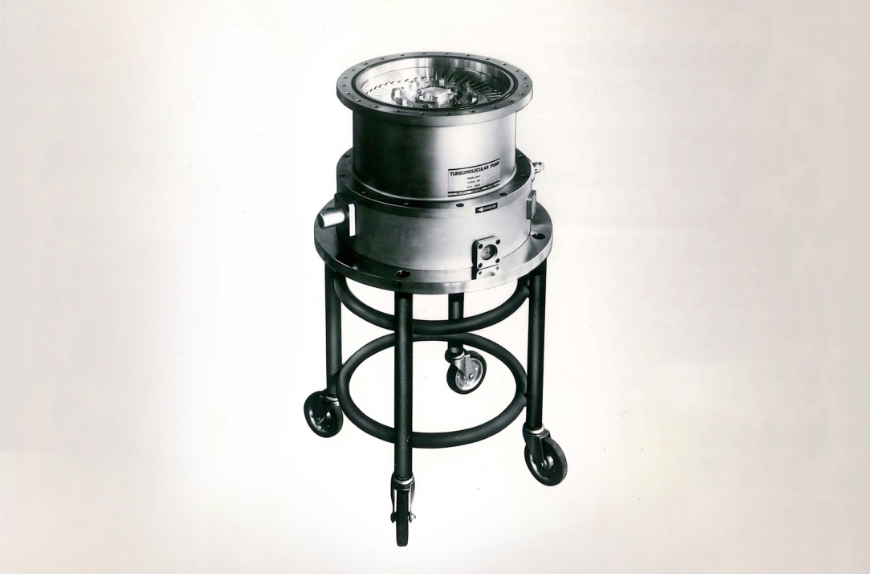
We were founded in 1950 with the launch of oil-sealed rotary vacuum pumps. In 1971, we became an industry pioneer by introducing turbo molecular pumps in Japan ahead of the competition.

History

Extensive Product Lineup

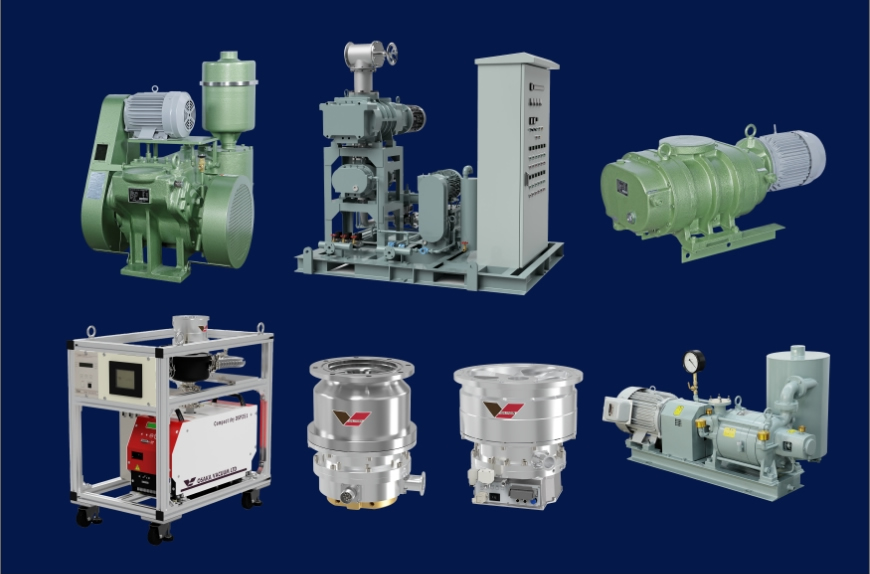
We offer a comprehensive lineup of products, including turbo molecular pumps, oil-sealed rotary vacuum pumps, and a wide range of related accessories, to meet diverse industrial needs.

Products

Support & Service

We provide comprehensive support, from product selection to after-sales service. With overseas service bases also in place, customers around the world can use our products with confidence.

Support system

Osaka Vacuum developed
3 innovative products
that were the first of their kind in the world.

  • Compound Turbo Molecular Pump

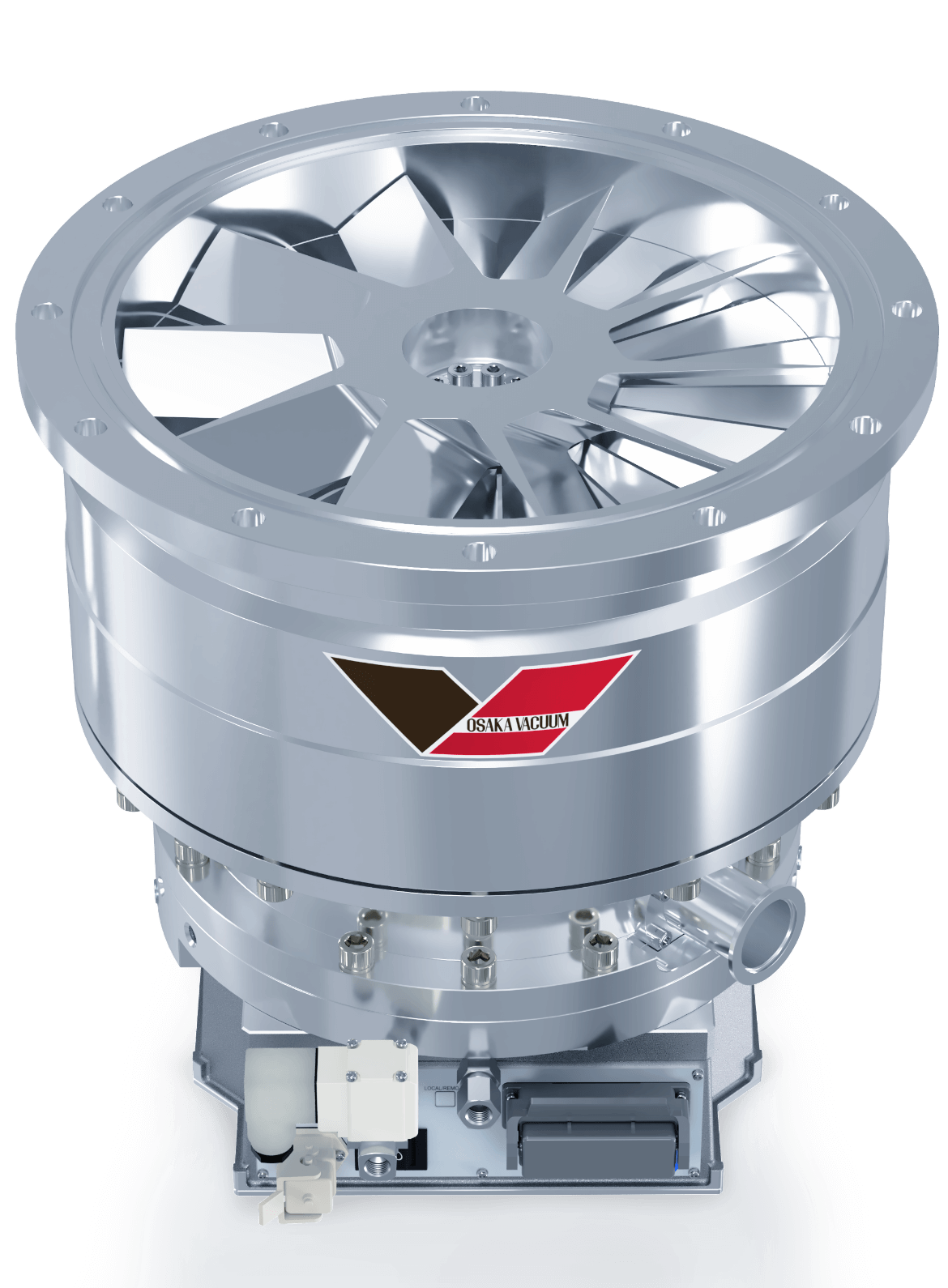
  • One of the largest Turbo Molecular Pumps

  • Extreme High Vacuum Maglev Turbo Molecular Pump

Vacuum pumps in every industry and application

  • Semiconductor / Electronic components
  • Optical Industry
  • Automotive / Aviation
  • Material
  • Metal and Steel
  • Chemical
  • Energy
  • Medical / Pharmaceuticals
  • Laboratory instruments
  • Display
  • Aerospace / R & D
  • Machinery
  • Foods
  • Heavy electrical equipment
  • Transport

Semiconductor / Electronic components

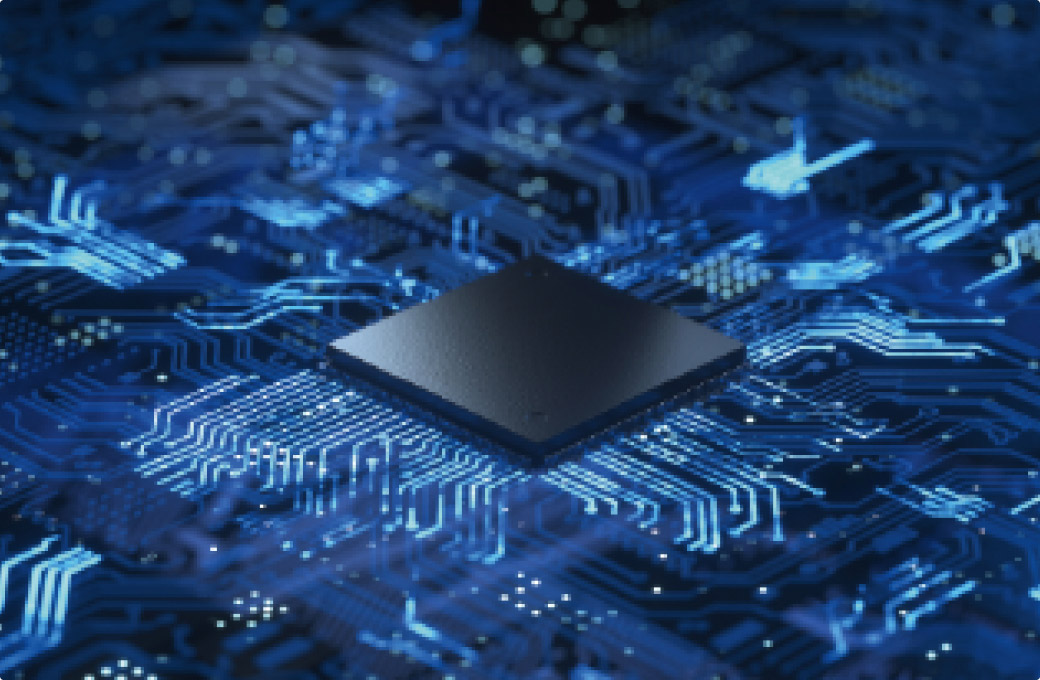
Semiconductor devices are manufactured by repeating processes such as film deposition, photoresist exposure, etching, and ion implantation on a wafer. Many of these processes are performed, and their results are inspected in a vacuum environment. Dry Vacuum Pumps are used for medium and low vacuum processes, and Turbo Molecular Pumps and cryo pumps are used for high vacuum processes.

Optical Industry

PVD processes like evaporation and sputtering are used to deposit the functional films on the base material in the manufacturing of highly functional optical components, such as lenses and mirrors. These processes are also used for decorative purposes, giving an attractive appearance to goods containers, smartphone chassis, or car interior parts. Turbo Molecular Pumps and Oil Diffusion Pumps are used in these processes.

Automotive / Aviation

In the manufacturing of parts and components for cars or aircraft, where absolute reliability is required, a vacuum is used for leak inspections, heat treatment, and achieving consistent material quality. For instance, a helium leak detector is used for inspecting parts for leaks. This detector uses a split-flow turbo molecular pump with multiple inlet ports, each with a different compression ratios, to provide differential pumping in a single unit. We manufacture split-flow types to meet the specification of each leak detector.

Material

High-performance architectural glass has a Low-E coating. The coating is deposited by sputtering, which uses turbo molecular pumps with high pumping speed and high throughput for heavy Ar gas. Our TGkine®-B series, TGkine®-R series, and TG-M series magnetically levitated turbomolecular pumps, as well as TG-F series grease-lubricated ball-bearing type turbo molecular pumps, are suitable for this process.

Metal and Steel

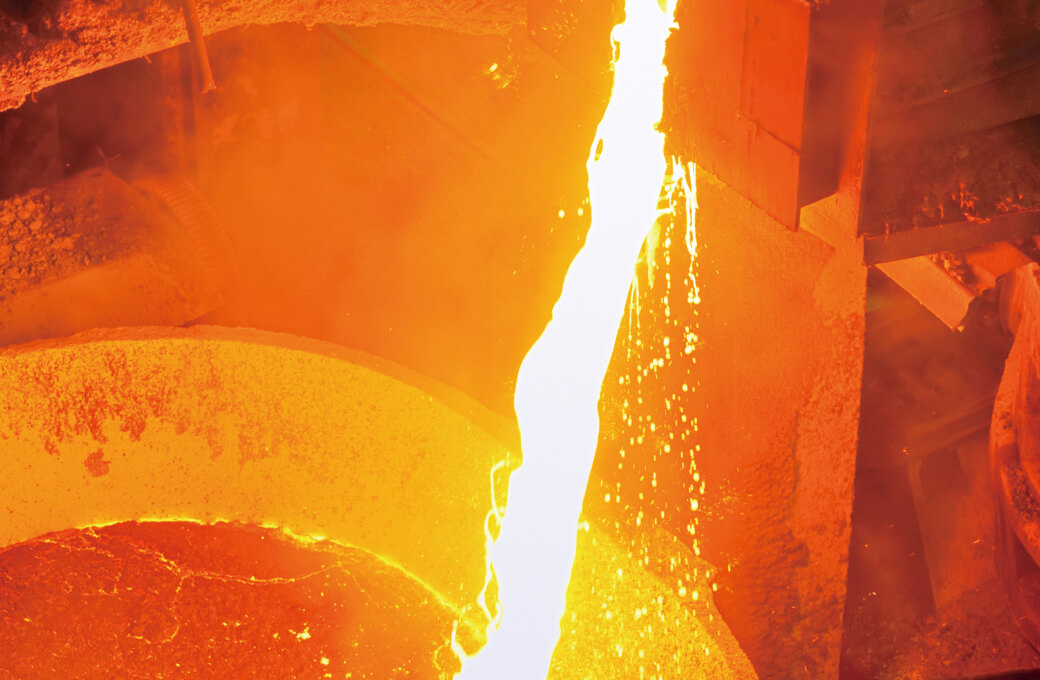
To produce high-quality steel, vacuum degassing removes dissolved gases from molten steel, vacuum carburizing furnaces diffuse carbon into the surface to improve wear resistance, and vacuum melting furnaces are used for refining high-performance alloys. These processes require pumping down to several tens of Pa in a matter of minutes. Additionally, the gases in these processes also contain a large amount of dust.

Chemical

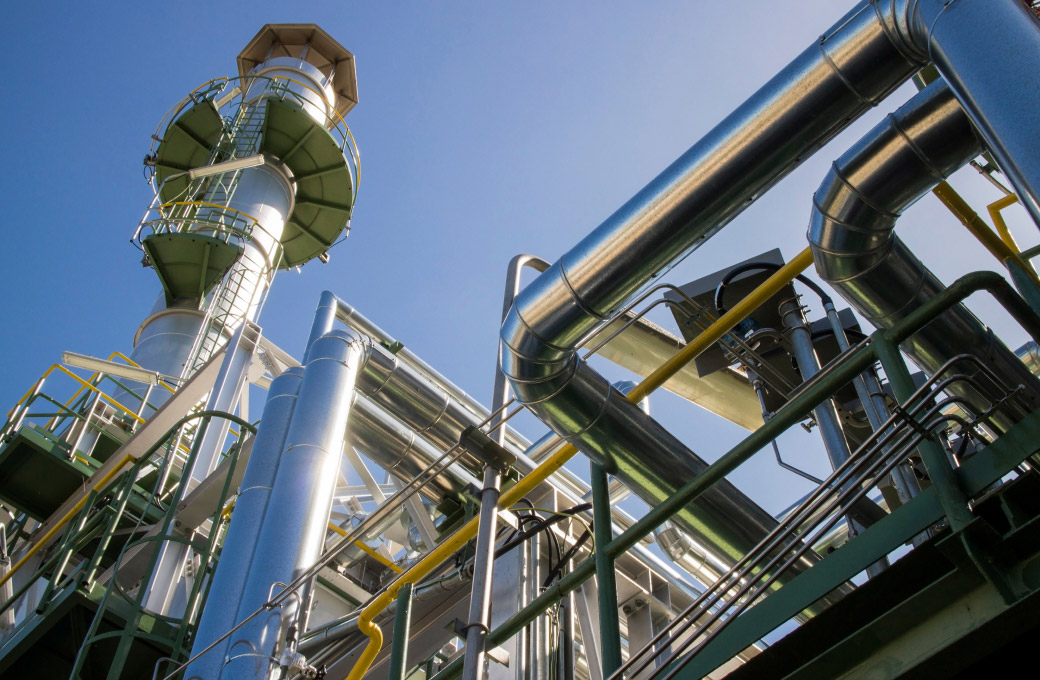
Naphtha is fractionated from crude oil, and petrochemical plants manufacture various petrochemical products from it, such as plastics, synthetic rubber, synthetic fibers, paints, and surfactants for detergents. Vacuum is vital in multiple processes such as distillation, polycondensation, drying, degassing, and deodorization by offering beneficial characteristics under reduced pressure.

Energy

In the manufacturing process of certain types of solar cells, light-absorbing layers, functional films, etc., are deposited in a vacuum. Our TGkine®-B and TGkine®-R magnetically levitated turbo molecular pump series satisfy high pumping speed and throughput required. In the manufacturing of lithium-ion batteries, materials are mixed, dried, and the electrolyte is filled in a vacuum. Dry vacuum pumps that are resistant to the chemicals used or pump systems that combine oil-sealed rotary vacuum pumps and mechanical booster pumps are used in these processes.

Medical / Pharmaceuticals

Vacuum distillation and freeze drying are used in pharmaceutical production to preserve sensitive ingredients. These processes use steam ejectors and liquid-ring vacuum pumps because they are ideal for pumping condensable gases, such as water. Hospitals use the VRD-M series direct-drive dual-stage oil-sealed rotary vane vacuum pumps to evacuate the sterilization chambers of medical device sterilizers, including high-pressure steam sterilizers, ethylene oxide gas sterilizers, and low-temperature hydrogen peroxide plasma sterilizers.

Laboratory instruments

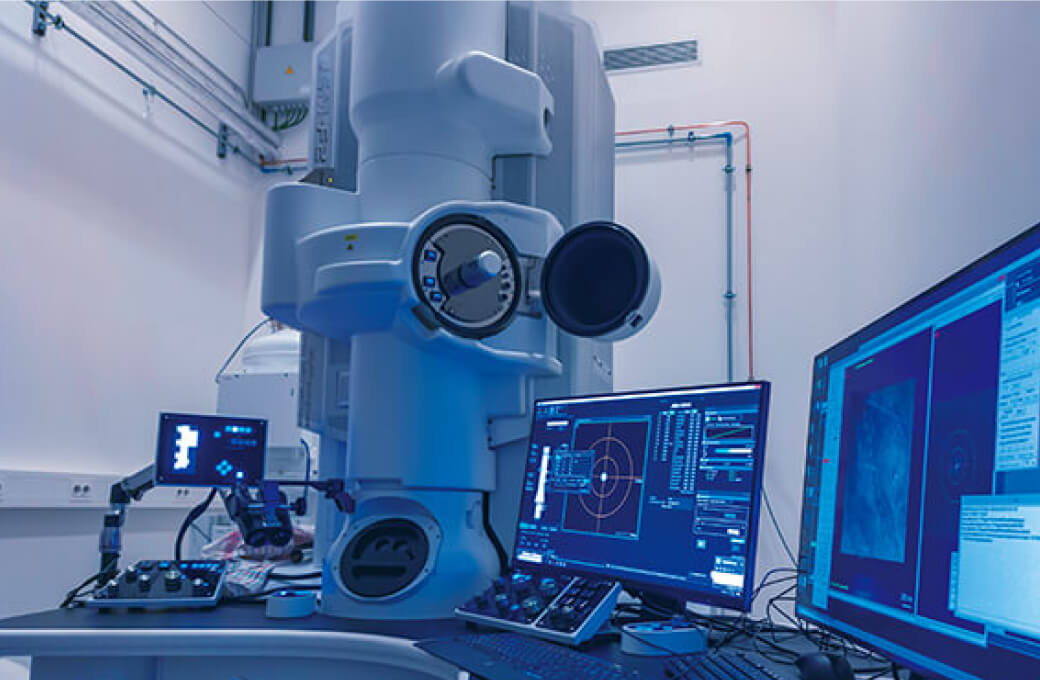
Mass spectrometers, electron microscopes, X-ray diffractometers, and other precision analyzers and measuring instruments often create a vacuum inside to eliminate the effect of air on the measurement. Mass spectrometers and He leak detectors based on them differentially pump the sample introduction ports and detectors. Split-flow turbo molecular pumps with multiple intake ports, each with different compression ratios, provide differential pumping in a single unit. We offer custom-made pumps to meet each system's requirements.

Display

Flat panel displays are manufactured by repeating processes such as sputtering, CVD, photoresist exposure, etching, and ion implantation on large glass or plastic substrates. Many processes require a vacuum. The sputtering process requires the pumps to have high pumping speed, throughput performance for heavy Ar gas, and tolerance to coating dust. Our TGkine®-B series, TGkine®-R series, and TG-M series magnetically levitated turbo molecular pumps and TG-F series grease-lubricated ball-bearing turbo molecular pumps are suitable for these applications.

Aerospace / R & D

Vacuum environments are used in various ways in large-scale scientific projects such as space exploration, ITER, and particle accelerators, as well as in research institutes and laboratories of various sizes. In space exploration, satellites are tested in an environment that simulates space using huge vacuum chambers. It requires large oil-sealed rotary vacuum pumps, machanical booster pumps, and turbo molecular pumps. We have a lineup for each type of vacuum pump.

Machinery

Electron beam welding, used for welding gears, etc., uses an electron beam accelerated and focused in a high vacuum to weld metals together. A small any-orientation turbomolecular pump pumps down the electron gun section to create a high vacuum. The welding chamber is also under a vacuum and is repeatedly pumped down from the atmosphere for each work. Short cycles require a high pumping speed. We line up the pump systems that combine the RD series mechanical booster pumps and the P series oil-sealed rotary piston pumps, which are durable against welding dust and can withstand repeated pumping down.

Foods

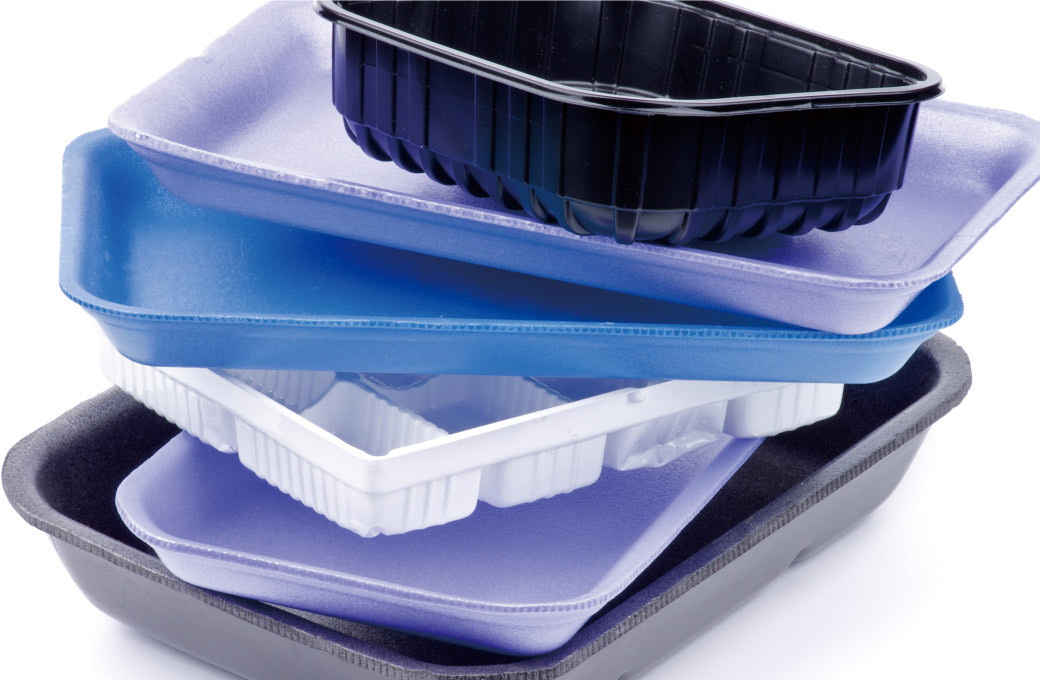
To extend the shelf life of meat, vegetables, and prepared foods, they are vacuum-packed or rapidly cooled in a vacuum. Many of our P series oil-sealed rotary piston vacuum pumps and W series liquid ring vacuum pumps operate in these processes. The P series pumps are rugged and resistant to repeated pump down from atmospheric pressure, and the W series pumps are suitable for pumping gases containing water vapor. Vacuum freeze-drying preserves heat-sensitive components while drying foods. Our P series oil-sealed rotary piston vacuum pumps, W series liquid ring vacuum pumps, and RD series mechanical booster pumps, which boost pumping speeds, are used in these applications.

Heavy electrical equipment

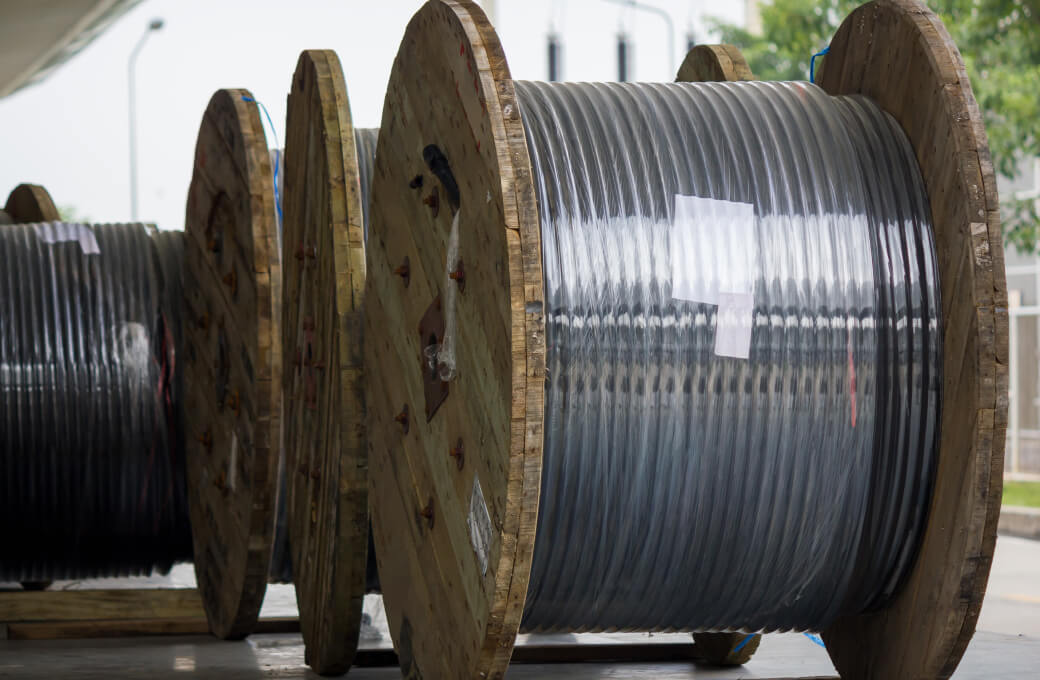
The insulation of motors, generators and transformers can be preserved for an extended period by drying the windings in a vacuum to remove moisture from the surface, then impregnating them with an insulation material in a vacuum. Insulation paper used in power cables is also dried in a vacuum to ensure long-term insulation performance. These vacuum drying processes require high pumping speeds and tolerance to water because the outgassing contain a lot of moisture.

Transport

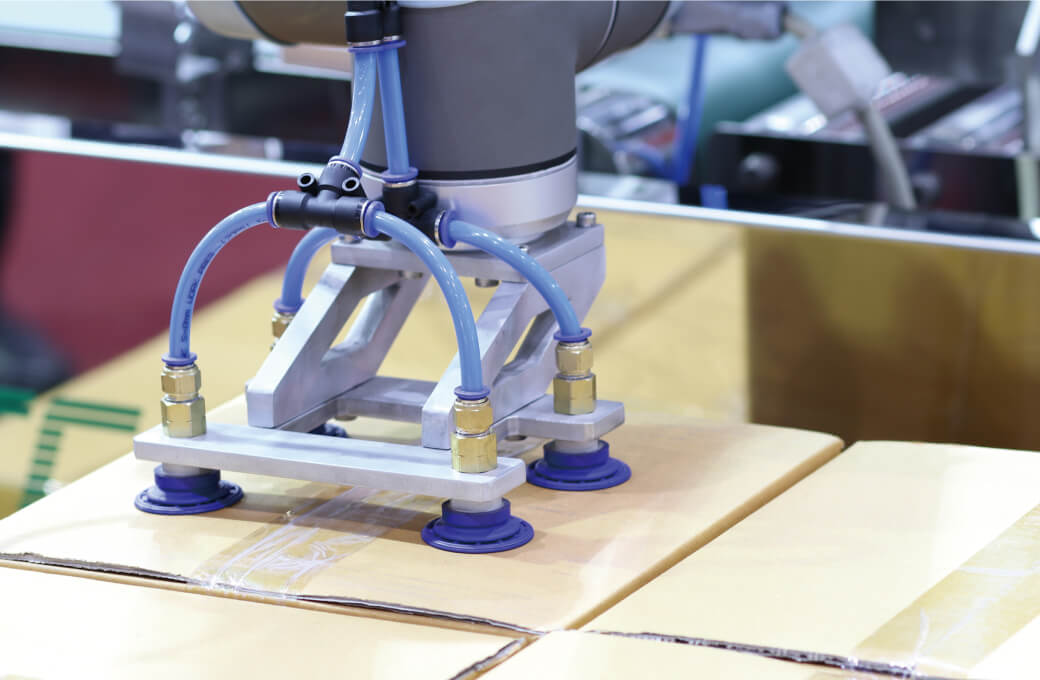
A vacuum chuck is used to catch and transport objects that are not strong or rigid, such as large-sized plates or paper. Vacuum conveyors are used in food processing, pharmaceutical production, and plastic pellet movement. They convey powders and grains in a low-pressure airflow.

Back to Homepage