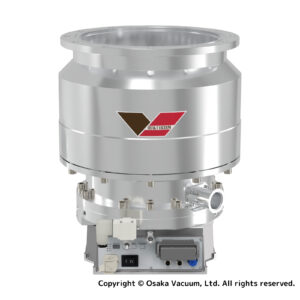
This time, we would like to introduce an example where our compound molecular pump (turbo molecular pump) was selected for the CatArc® 3036 PVD coating system by Vergason Technology, Inc., based in New York, USA.
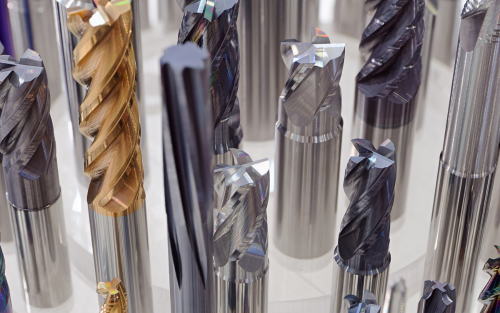
Metal products and components cannot last long in their bare form, which is why surface treatment becomes necessary. There are various methods for surface treatment, such as painting, plating, thermal spraying, heat treatment, and vacuum film coating (vapor deposition). Among these methods, vacuum film coating (vapor deposition) requires a high vacuum environment and improves hardness and wear resistance.
Vacuum film coating (vapor deposition) methods can be broadly divided into two groups: Physical Vapor Deposition (PVD) and Chemical Vapor Deposition (CVD). PVD is a deposition method where solid materials are vaporized by heat or plasma and the vapor condenses on the surface to form a coating. Depending on how the solid material is vaporized, it can be further categorized into thermal evaporation, ion plating, and sputtering methods. On the other hand, CVD uses chemical reactions where a precursor gas containing the elements for the film is decomposed by some form of energy to form the coating. By the type of energy that causes the decomposition, CVD can be subdivided into thermal CVD, plasma-enhanced CVD, and photo-assisted CVD.
Osaka Vacuum’s compound molecular pumps (turbo molecular pumps) are widely used by many equipment manufacturers in Japan and abroad for thermal evaporation, ion plating, and sputtering. One of these manufacturers is Vergason Technology, which has been recognized as a supplier of high-performance PVD hard coatings in the USA for over 30 years.
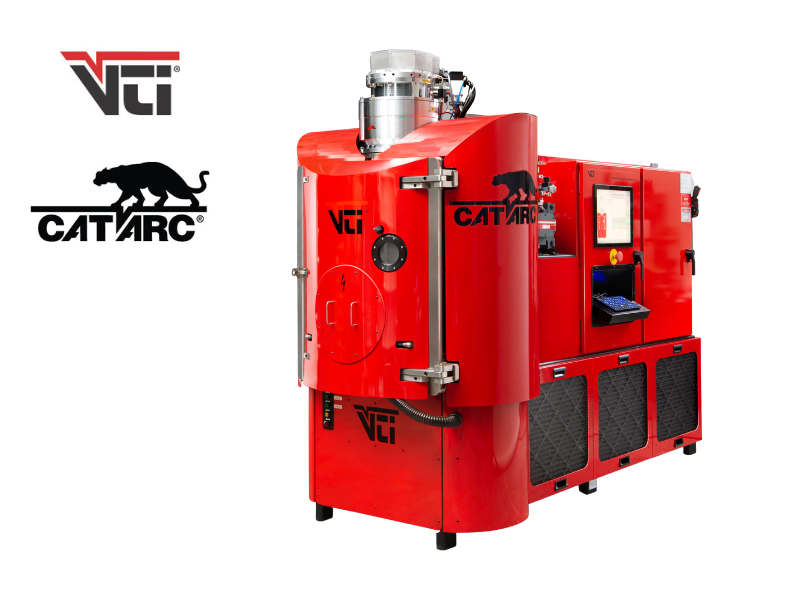
The CatArc® 3036 PVD Coating system is ideal for coating applications in automotive, decorative, medical, machinery and cutting tools, sports equipment, and many other specialized fields. Our high-throughput, lightweight, inverted mounting compound molecular pump, TGkine3800M-B has been chosen for this system.
CONTACT