Global Small Medium Large
Osaka Vacuum, Ltd.
Home | News Releases | Events
 

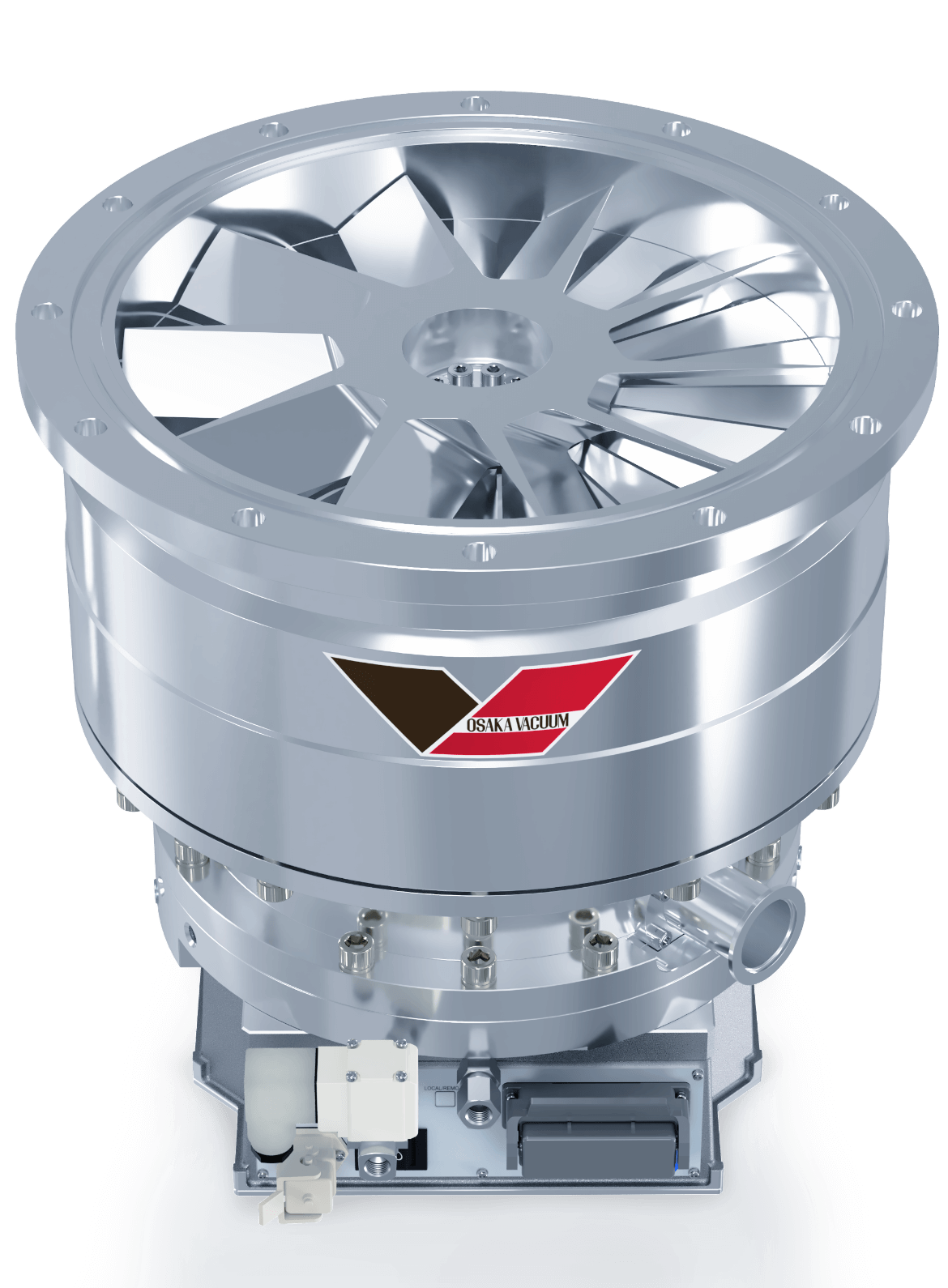
kineTiG2200M

Inlet flange
VG250
ISO-B250
Outlet flange
KF40
KF50
Volume flow rate (L/s)
N2
2200
(with protective screen) N2
2100
H2
1800
Max. compression ratio
N2
>2x10⁸
H2
3x10³
Ultimate pressure
(Pa)
VG, ISO-B
<2x10⁻⁷
 
(Torr)
VG, ISO-B
2x10⁻⁹
Max. throughput (sccm)
N2
3000
Startup time (min)
7-10
Shutdown time (min)
7-10
Max. backing pressure (Pa/Torr)
220/1.65*1
Recommended backing vacuum pump (L/min)
≧2000
Input voltage (V)
AC200-240V -15%+10%
phase
Single
frequency (Hz)
50-60
current (A)
Max. 5.3
power (kVA)
Max. 0.9
Communication module (selectable)
Parallel I/O
RS232C
RS485
Profibus
DeviceNet
Protection rating
IP54
Position
Any orientation
Weight (kg)
VG, ISO-B/CF
62
Controller
Integrated
Special specifications
(For details, contact our sales representative)
-Chemical-use
  • *1 : Backing pressure that enables continuous pump operation under nitrogen gas.
  • [Ambient temperature for use]
  • The ambient temperature range to ensure you reach the ultimate pressure is 10-23℃. The permissible ambient temperature is 10-40℃. The maximum temperature for the cooling water which ensures the ultimate pressure is 30℃ and the allowable temperature range for cooling water is 10-35℃.
  • [Corresponding gases]
  • Some types of gas to be evacuated may damage the pump.
    Contact Osaka Vacuum for a list of applicable gas types.
Drawing of Outside dimension
Inlet flange A B
ISO-B250 348.5 325
VG250 343.5 320

Zoom Clicking the "Zoom" button opens the file in Acrobat Reader. Print from the PDF.
  • Reprinting prohibited without permission. Contents are subject to change without notice.

Compare performance

Throughput

Performance curve

Volume flow rate for N2

Volume flow rate

 
  • Reprinting prohibited without permission. Contents are subject to change without notice.

Turbo Molecular Pump Exhaust Theory

Turbo molecular pumps consist of moving and stator blades arranged on multiple levels. The figure below shows the relation between the angle and rotating direction of the blades. Gas molecules inbound from the high vacuum side enter the moving blades and try to exit in various directions. However, the angle and rotation of the blades cause the molecules to move toward the exhaust end and through the quickest path in the stator. Gas molecules that flow back from the rearmost stage through the stator hit the moving blade, sending them back to the exhaust end. The blades are angled on the front end to facilitate passage of gaseous molecules (where the difference between the flow to and from the exhaust is greater), whereas on the exhaust end, the blades are angled to hinder passage (where the ratio between the flow in the exhaust direction and against it is greater). In the area of molecular flow, the moving blade and stator perform the basic functions of the turbo molecular pump.

Osaka Vacuum added a threaded groove to the moving blade and stator blade combination. The walls of the cylindrical rotor drag the gas molecules along the threaded groove in the stator, delivering them to the back pressure side. The functionality of the threaded groove enabled us to develop a turbo molecular pump (compound molecular pump) capable of exhausting large flow volumes, particularly in medium flow ranges in addition to the molecular flow range. This expanded the operating range for turbo molecular pumps which are now used in a wide variety of applications. And its ability to operate under high back pressure has widened the choices for auxiliary pumps.

Exhaust theory(Front end side)
Exhaust theory(End exhaust)
Exhaust theory(Grooved side)

Cross-section of a turbo molecular pump
(Grease Lubricated Type)

Cross-section of a turbo molecular pump (Grease Lubricated Type)
Contact Inquiry Form User Registration Downloads
Google

Site Search


Click here to download Adobe Flash Player.

Adobe Flash Player

Click here to download Adobe Reader.

Adobe Reader
Sitemap | Personal Privacy Protection Policy | Copyright | About This Site
SSL Globalsign